

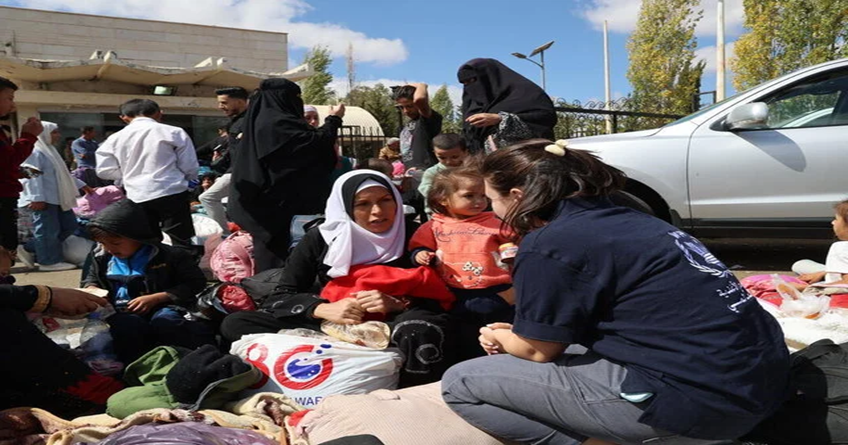
Since 2026, nearly 17 percent of Lebanon’s population has been living in a state of major food insecurity – a situation that is likely to worsen in the coming year.
According to the latest UN-backed IPC Food Security Phase Classification report, around 874,000 people are facing crisis or emergency levels of acute food insecurity between November 2025 and March 2026.
Certain districts and areas have been more severely affected, particularly parts of Baalbek and El Hermel, Akkar, Baabda, Zahle, Saida, Bint Jbeil, Marjayoun, El Nabatieh, Tyre, and refugee communities.
This is the first assessment to include people who arrived from Syria after December 2024, recognising shifting displacement patterns and new vulnerabilities.
Assistance is essential
Looking ahead, the situation is expected to worsen rapidly due to a combination of factors, including reduced food assistance, economic pressures, and rising living costs.
Between April and July 2026, food insecurity will rise to 961,000 people, nearly 18 per cent of the population, according to the IPC report.
“People’s needs remain high, and predictable assistance will be essential to help people meet basic food needs and prevent further deterioration.” said Anne Valand, WFP representative and country director in Lebanon.
