

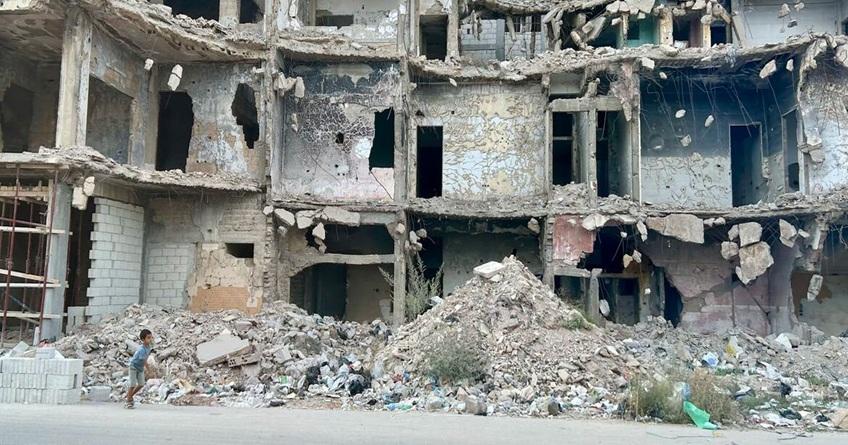
The Security Council discussed the situation on the ground in Syria amid reports of an Israeli attack in occupied territory and of a multi-national oil pipeline to counter the closure of the critical Strait of Hormuz – still the focus of the ongoing US-Iran war. The meeting follows UN independent investigators’ findings that security conditions remain fragile in the south as António Guterres heads to Damascus for his first visit to the country as Secretary-General.
Syria - in brief
What happened: The Security Council addressed the situation in Syria today, with UN officials stressing that the country’s political transition has reached an institutional milestone with the establishment of a People’s Assembly and Constitutional Supreme Court. However, while improved, humanitarian needs remain vast and underfunded. Speakers called for sustained international support, warning that insecurity, due in part to Israeli military activity in the country, threatens economic recovery.
Why it’s important: Some 15.6 million people - nearly two thirds of Syria’s population – need assistance, while 5.5 million remain internally displaced. With the UN humanitarian appeal less than one-third funded and food assistance sharply reduced, recovery will depend on sustained funding and safe conditions that allow people to rebuild their lives.
The bottom line: Syria’s transition is advancing, but its success will depend on whether political gains translate into long-term stability, recovery and peace. For this, speakers urged the Council to stay engaged.
A full summary of today's meeting is available here.
