

In consultations with over 40 mayors and municipal unions, the UN identified community priorities and pathways to restore services and jobs.
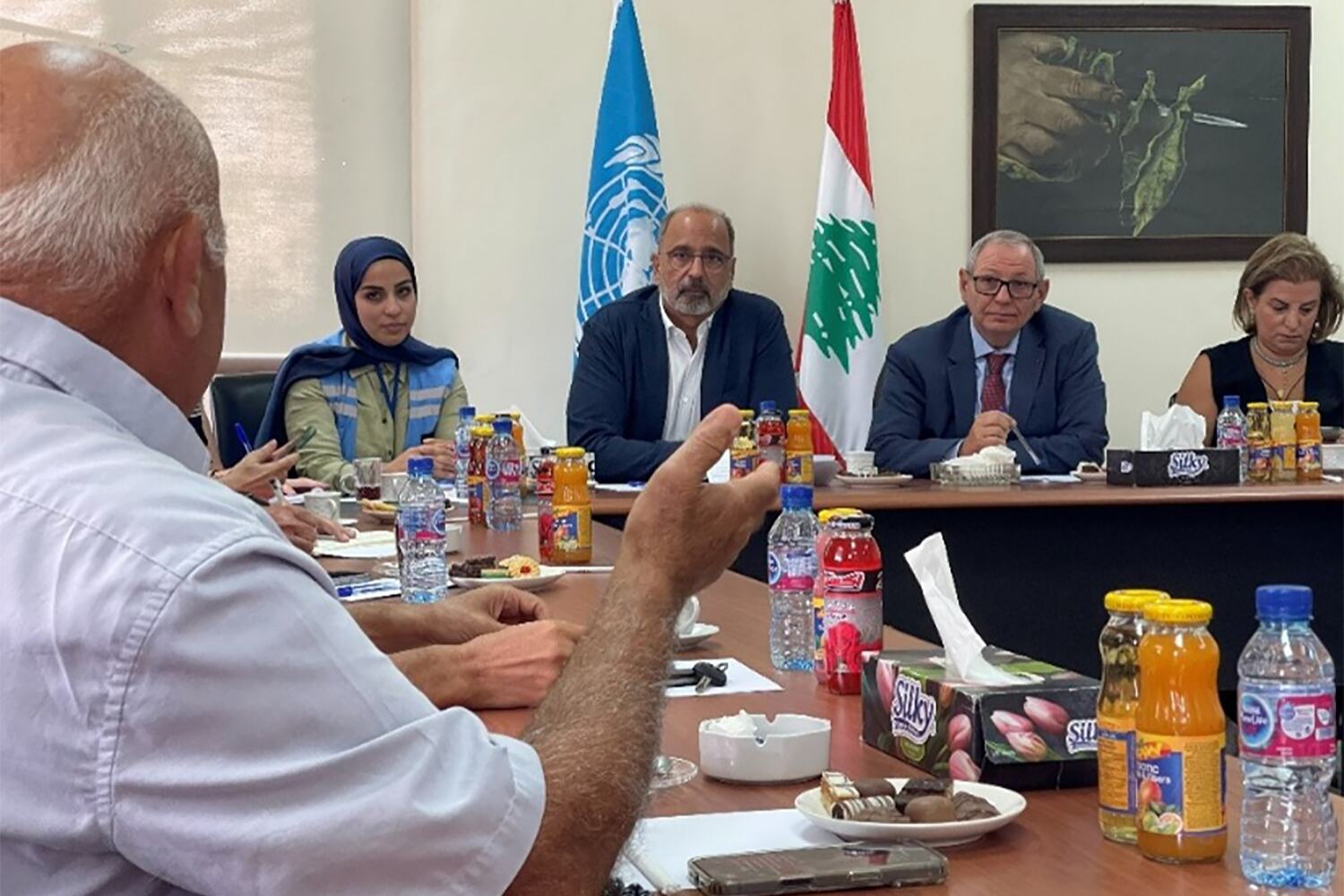
Across five consultations with more than 40 mayors and five heads of unions of municipalities, the UN Resident and Humanitarian Coordinator for Lebanon, Imran Riza, and his team heard firsthand what communities need and identified with partners practical ways to help restore essential services and livelihoods in collaboration with the government.
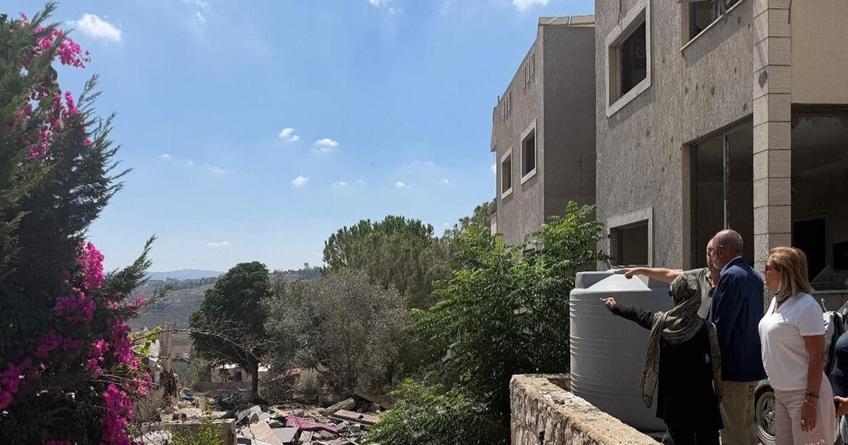
In Zawtar Al-Gharbiyeh, around 90 of the village’s 500 families have returned home. They are living in houses that remain habitable, including some that are partially damaged.
But there is no electricity, neither from the public grid nor from generators. Water reaches the village by truck, with support from the Lebanese Armed Forces and Civil Defense.
For families who have returned, coming home has not meant that normal life has returned with them.
Across southern Lebanon, communities are facing a similar situation. Homes and public infrastructure have been significantly damaged, water and electricity systems disrupted, schools and health facilities targeted, livelihoods interrupted and municipal services stretched to their limits.
Some families are returning because they simply want to go home; others face rising rents and financial pressures that make prolonged displacement increasingly difficult. Return does not necessarily mean recovery.
Listening to Communities, Identifying Priorities
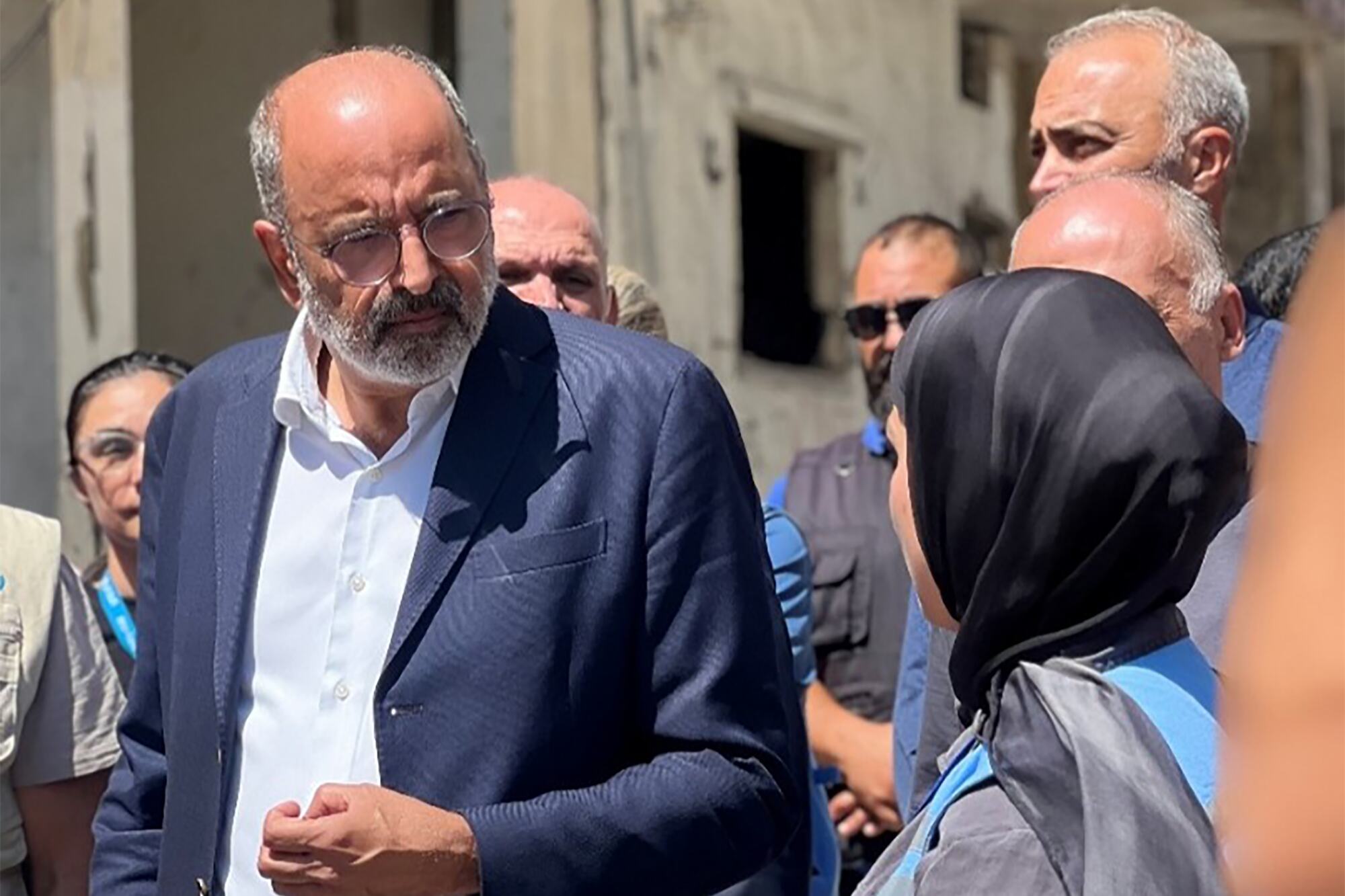
This was the reality that the UN Resident and Humanitarian Coordinator for Lebanon (RC/HC), Imran Riza, and his team set out to understand directly.
Between 27 July and 4 September 2026, five in-depth consultations with local authorities were held in areas bordering the Israeli-declared "Yellow Line", specifically with the Bint Jbeil, Tyre, Qalaa, Jabal Amel and Cheqif Unions of Municipalities.
More than 40 mayors and five heads of unions of municipalities took part. All five consultations were conducted jointly with the co-chairs of the Operational Coordination Group for the South, namely the UN Development Program (UNDP), the international humanitarian organization Première Urgence Internationale (PUI), and Lebanon’s Ministry of Social Affairs.
The aim was to hear directly from local leaders and communities about immediate humanitarian priorities and identify activities that existing partners could deliver within weeks to address barriers to essential services. At the initiative of local authorities, the discussions also looked beyond immediate needs to longer-term recovery, local capacity gaps and how government, humanitarian and development actors could coordinate more effectively to accelerate recovery. Together, these efforts can help kick-start practical and quick actions in support of the Government’s strategy for Return, Early Recovery and Restoration of Basic Services, linking locally identified priorities with the partners and resources needed to address them.
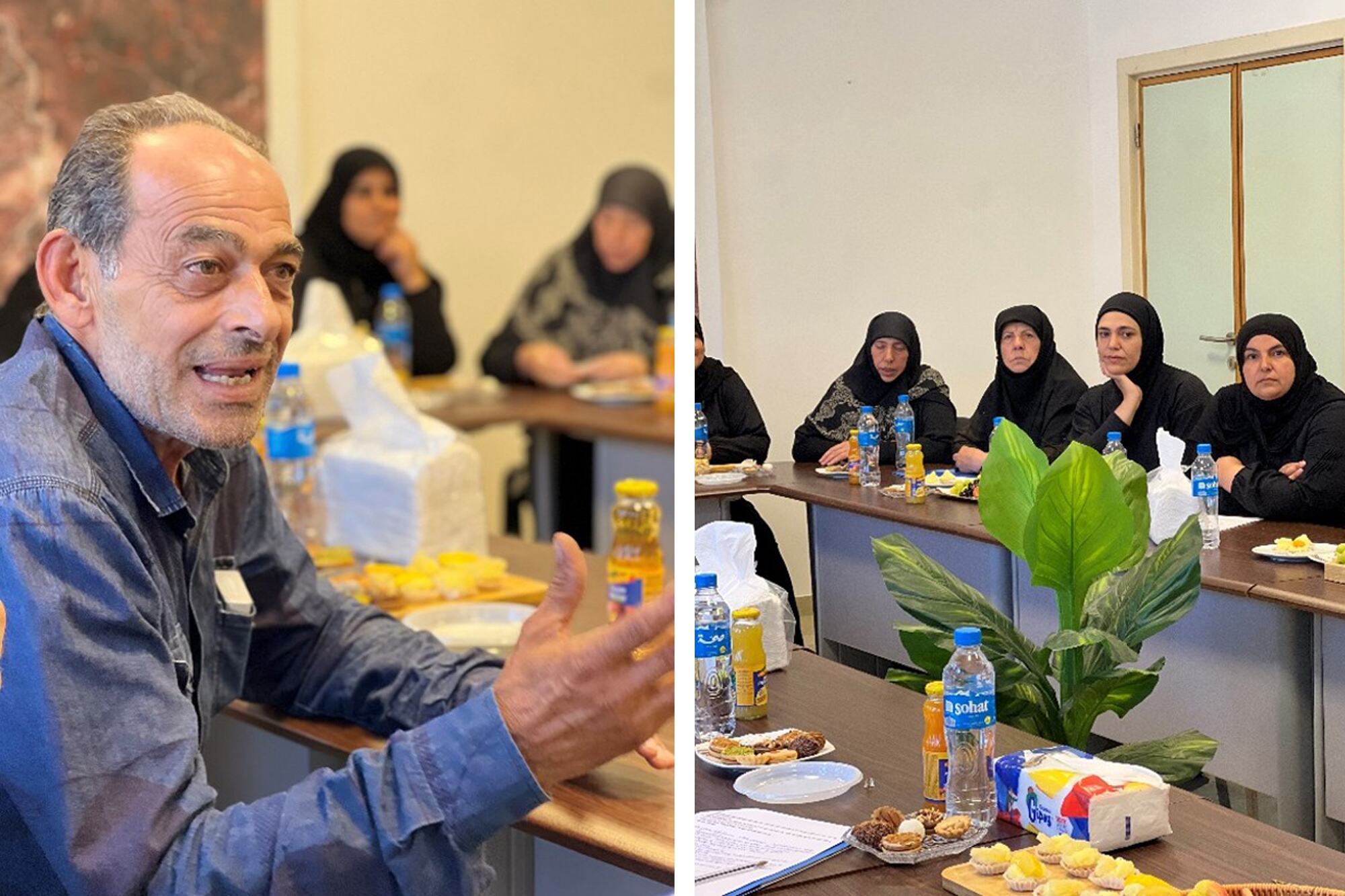
The consultations provided something that cannot be captured fully from a distance: a municipality-by-municipality picture of what communities need to sustain their lives today and what is preventing them from moving towards recovery.
“The purpose of going to the communities was to listen directly, understand what they need, see what can be done immediately in collaboration with the government, and bring the right partners together around those priorities. The value is not in documenting needs alone, but in connecting locally identified priorities with the actors who can help address them. We can’t talk about recovery when communities don’t have access to water” — said Riza.
Quick Wins to Support Returning Communities
One of the most striking findings was that some immediate obstacles are not necessarily large reconstruction projects.
In several communities, infrastructure could be restored with limited rehabilitation, but cannot operate because there is no electricity, fuel is unavailable, access is restricted or municipalities no longer have the resources to run basic services.
In Borj Qalaway, for example, local authorities explained that an existing well could supply returning and displaced families if equipped with a 300 KVA generator. In Saouaneh, one of two wells is operating with fuel paid from community contributions and requires either regular fuel or solar-powered support. In Qlayleh, diesel shortages are preventing the town’s only well from operating. In Zawtar Al-Gharbiyeh, meanwhile, water trucking is sustaining the community while the village remains without an electricity solution.
Across the communities visited, people spoke about the everyday things that would allow them to rebuild their lives. They talked about having clean water, seeing their children return to their repaired schools, and accessing nearby health facilities. Families described the need for safe places to live, streets cleared of rubble, and support to restore their livelihoods.
Farmers, beekeepers and small business owners said that replacing lost equipment and assets would help them get back on their feet and provide for their families. For many, these practical improvements needed to move from coping with a crisis to earning a living again and rebuilding their future.
Behind many of these needs lies a critical enabler that communities repeatedly highlighted: fuel and energy, without which even the simplest services cannot function.
At the Forefront of the Response, Communities are doing what they can
Recovery is already underway. Municipalities and communities are investing their own limited resources to maintain basic services, often absorbing costs that are becoming increasingly difficult to sustain.
But sustaining these local efforts requires additional support.
Municipalities across the five areas reported being unable to pay staff, operate vehicles, fuel water systems or maintain basic services. Conflict damage has compounded financial and institutional pressures that had already weakened municipalities during Lebanon’s economic crisis.
“Our communities are doing what they can with the limited resources they have. But there comes a point when our municipality cannot keep a water system running, pay its workers and repair its vehicles without support.”
- said one of the members of Chaqra municipality.
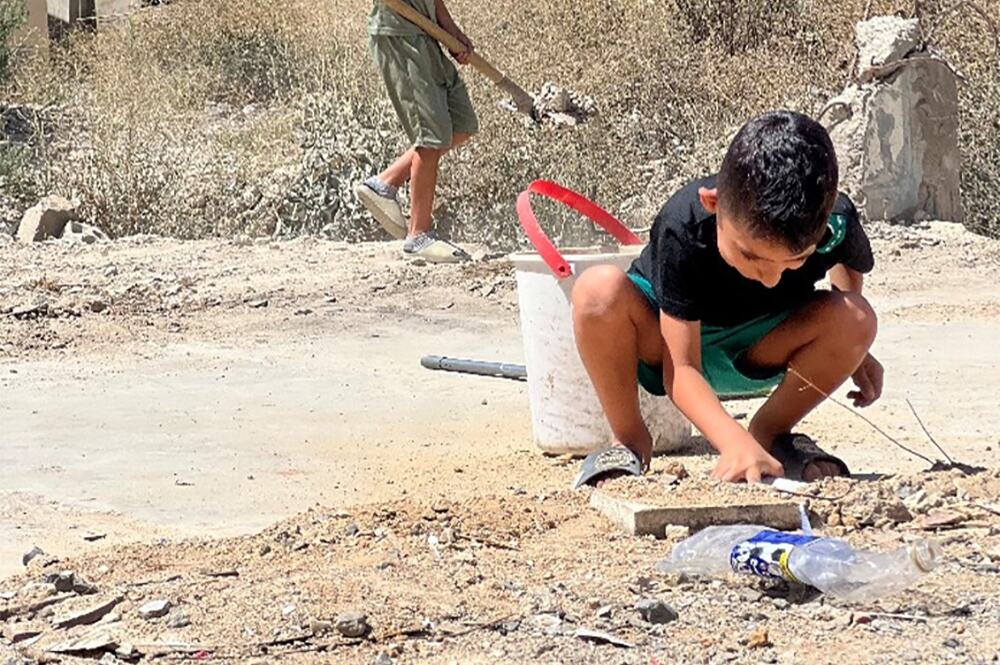
A school, a farm, a water well — recovery is about all three & more
The needs raised during the consultations extended well beyond damaged houses.
In Jabal Amel, the impact on education was stark. Community members reported that 19 of the area's 25 schools had been destroyed or severely damaged, leaving many children without a safe place to learn. There was some hope, however. Four schools in Saouaneh, Majdel Selem and Touline were identified as potentially repairable in time for the 2026-2027 academic year, raising the prospect of students returning to their classrooms. But rebuilding walls is only part of the challenge. Municipalities reported difficulty supporting teacher salaries, while others highlighted school fees and other financial and access barriers facing families.
In Chaqra and Baraachite, around 1,000 students are enrolled in public schools, but a gap in teaching staff was reported as many teachers from border villages remain displaced. Behind these numbers is a growing fear that some children may not return to school at all. Communities underscored the urgent need for psychosocial support, educational materials and targeted assistance for vulnerable families.
At the same time, farmers are trying to recover livelihoods damaged by the conflict. In Baraachite, local representatives estimated that 80 to 90 per cent of the agricultural sector had been affected, with priorities ranging from agricultural inputs and irrigation to livestock, beekeeping, cooperatives and small businesses. Across the assessed areas, people highlighted the loss of the 2026 agricultural season as a major shock to household incomes.
“Returning home is not enough if we cannot return to our fields, sell our harvests and earn a living. We cannot truly rebuild our lives. We need the means to work again, support our families and restore our dignity,”
said one of the farmers in one of the consultations.
Connecting community needs with coordinated action
For the UN, the value of the consultations lies in what happens after the discussions. The findings provide a locally grounded picture that can help government-led efforts.
Local authorities in Tyre, for example, said they have the capacity, experience and current information to play a stronger role in identifying priorities, planning and, where appropriate, supporting delivery. Community members stressed the need for stronger coordination and communication among municipalities, government institutions, humanitarian and development partners, and donors to ensure assistance responds to local needs and reaches communities effectively.
This is where the field visits created a bridge between what communities say they need and what partners can do about it.
“When you sit with mayors and local authorities and hear what is preventing a community from living a dignified life, the priorities become very concrete. A generator, fuel for a well, a repaired vehicle, a rehabilitated school — these can be small interventions, but they can unlock essential services for people who have returned, and they need to happen quickly” said Riza.
Serious barriers continue to limit access to essential services
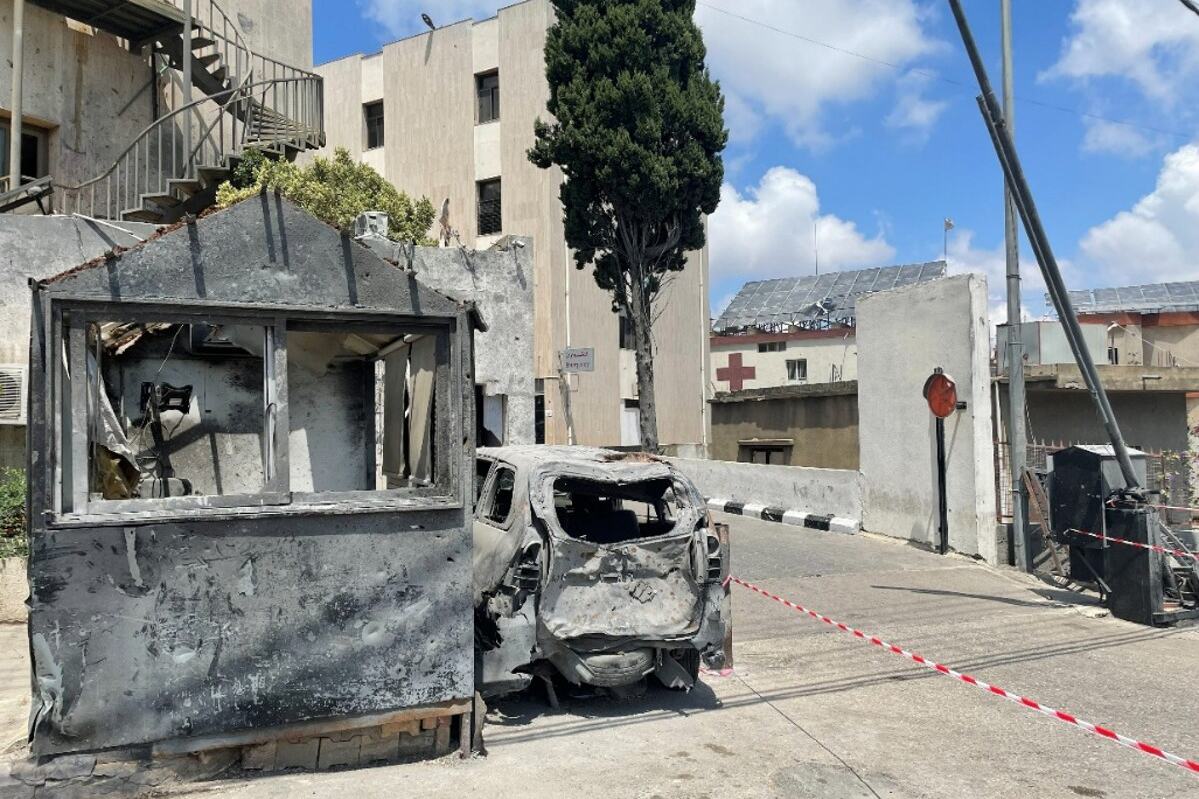
Identifying solutions is often easier than implementing them. For many communities, the challenge is no longer knowing what is needed, but whether help can reach them. Even very modest and simple initiatives that could quickly improve daily life face growing obstacles to execution.
Humanitarian access has deteriorated since the June ceasefire announcement. The UN records an increase in negative responses to humanitarian notifications for hard-to-reach areas, reaching as high as 60 per cent in August alone. Denied infrastructure missions included, among others, water-pipe deliveries to Zawtar Al-Gharbiyeh.
For communities close to the so called "Yellow Line", continued insecurity and restrictions on movement compound the challenge. In Jabal Amel, for instance, local authorities reported that around 6,500 displaced families remain unable to return to 12 villages inside the Israeli forces-declared military zone.
The uncertainty weighs heavily on displaced families. Speaking about residents still living in collective shelters or host communities, Kfar Tebnit Mayor said:
“Families living in shelters are being told every day that they may have to leave the next day. Where are they supposed to go? Onto the streets? People are struggling to pay rent. I do not know how much longer they can continue.”
And for municipalities already operating with depleted resources, restoring services requires more than repairing physical infrastructure. The hardest task is sustaining the services people rely on every day, keeping staff in place, maintaining equipment, fueling vehicles and pumps, and ensuring that essential systems remain operational.
Families are returning and communities are trying to restore essential services and livelihoods while insecurity and safety risks persist. Safety is essential for basic needs to be met and for early recovery efforts to take hold.
Next Steps: Turn priorities into action
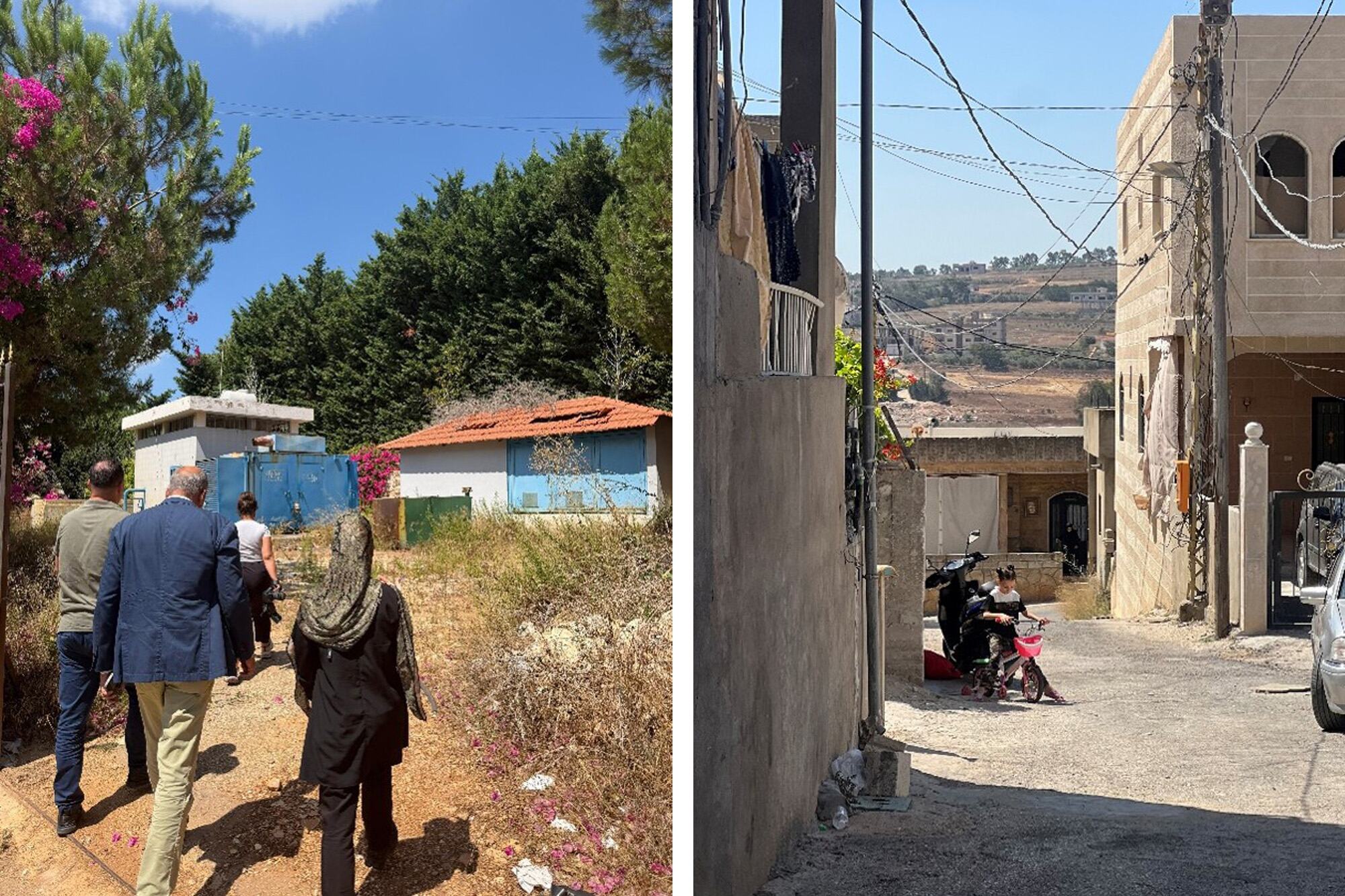
In Kfar Tebnit, the mayor asked: “Even if we rebuild the house, will we be able to restore the memories? If people return tomorrow, what exactly will I bring them back to? Will I bring them back to the Kfar Tebnit they knew?”
In Tyre, water restoration, municipal capacity, waste management, roads, cash-for-work and the decongestion of schools being used as collective shelters were prominent concerns. In Jabal Amel, the scale of destruction, electricity and water losses and access restrictions were central. Cheqif highlighted shelter and accommodation pressures alongside agriculture, small businesses, education, water and electricity. Qalaa placed particular emphasis on protection and the operating environment, while Bint Jbeil focused strongly on housing rehabilitation, health services and agricultural recovery.
But across all five areas, one message was consistent: Communities know what they need, what is preventing them from recovering, and they know the way forward.
The task now is to match their determination with the partnerships, the right actors, the needed resources and coordinated action to accelerate recovery and help turn those priorities into action.
For the families who have returned to southern Lebanon, recovery will not be measured only by whether a house is still standing. It will mean water flowing again. A school reopening. A municipality able to collect waste. A farmer able to work their land again. A health centre able to serve its community.
